Dogon Statue – Piper
$3,500 $2,800
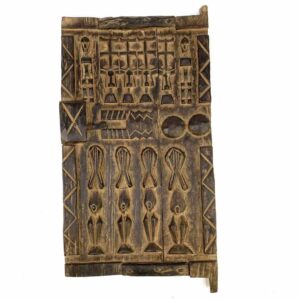
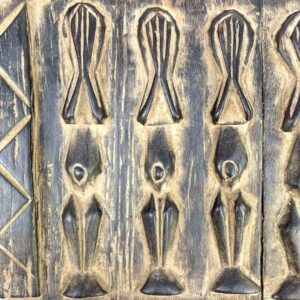
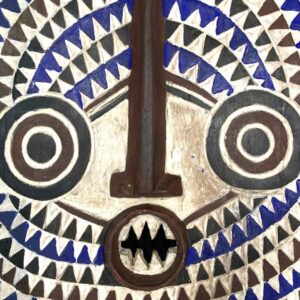
Intricately carved life size Dogon statue featuring multiple compartments with hinged doors and stylized human figures — a rare piece reflecting the spiritual and social symbolism of West African Dogon culture.
Estaimated to be circa 1960
Country of Origin: Mali
Culture: Dogon
Function: Practical & Homage
Dimensions: 117cm Long x 33cm wide x 33cm deep
Weight: 29kg
In stock
Description
Dogon statues are deeply symbolic and represent various aspects of Dogon cosmology, ancestry, and spirituality. Here’s a breakdown of what they commonly represent:
1. Ancestral Spirits
Most Dogon statues represent ancestors, particularly primordial beings or founders of clans. These figures are often shown in reverent postures—kneeling, arms raised, or holding ritual objects—signifying respect, offering, or connection to the divine.
2. Cosmic Order and Duality
Dogon art frequently reflects the concept of duality (male/female, earth/sky, life/death) and the order of the universe as taught in their complex cosmology. Statues often depict twin figures, symbolic of balance and harmony.
3. Mythical Beings and Deities
Some statues depict mythical ancestors, such as Nommo, amphibious beings believed to be the first living creatures created by the god Amma. These figures symbolize life-giving forces, knowledge, and spiritual guidance.
4. Ritual and Protection
Many statues served ritual purposes—used by priests, diviners, or spiritual leaders. They were believed to protect households, ensure fertility, or communicate with the spirit world. Statues with compartments or doors may represent shrines or portable altars, storing ritual materials or offerings.
5. Social Hierarchy and Roles
Some figures depict chiefs, hunters, or women in childbirth, symbolizing the roles and responsibilities within Dogon society. These statues emphasize community values like strength, wisdom, fertility, and continuity.
.
Additional information
| Weight | 3 kg |
|---|---|
| Dimensions | 70 × 20 × 8 cm |